
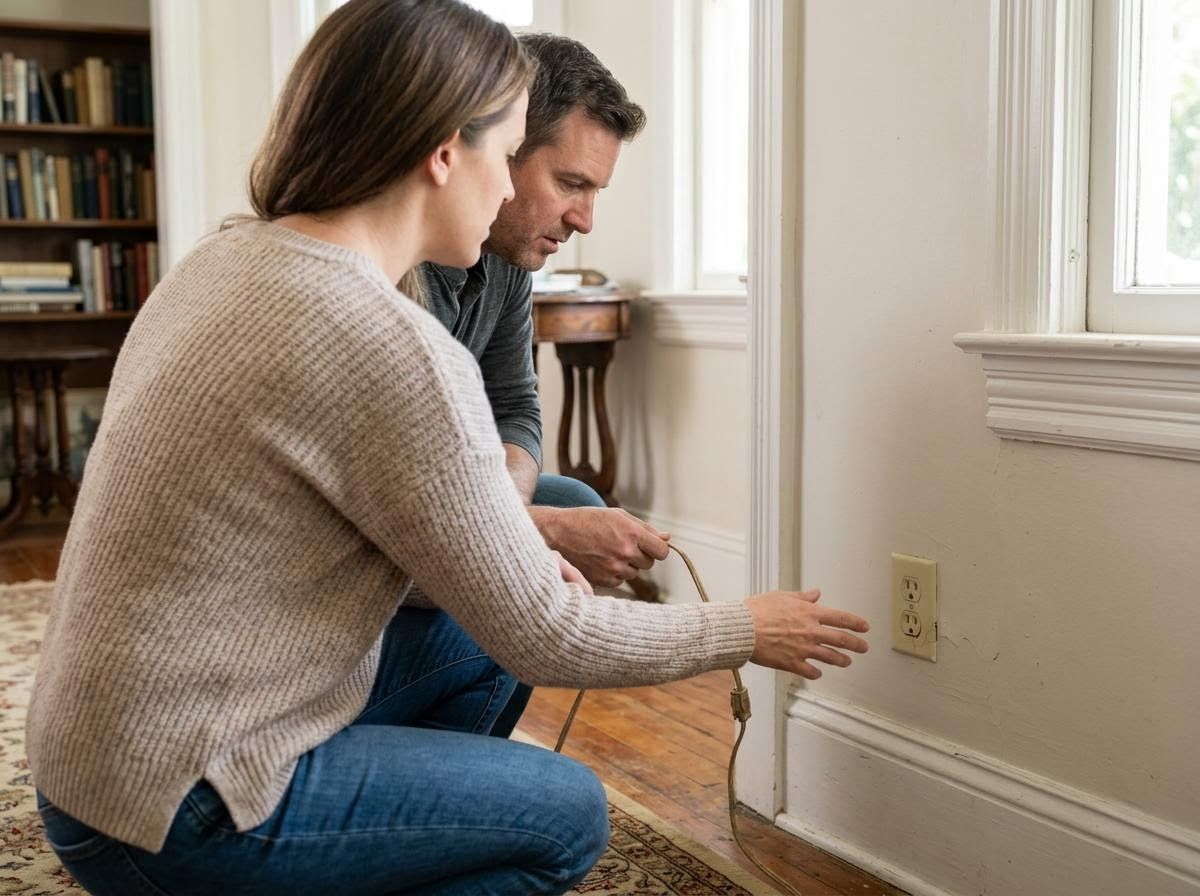
Owning an older home in scenic Pensacola or Fort Walton Beach comes with a unique charm, but it also often means inheriting electrical systems that predate modern safety standards and technological demands. Recognizing the signs of potential electrical hazards is crucial for the safety and well-being of your household. Coastal Electric & Solar understands the common electrical challenges faced by homeowners in these historic areas, and we're here to shed light on what to look for.
Outdated Wiring Systems
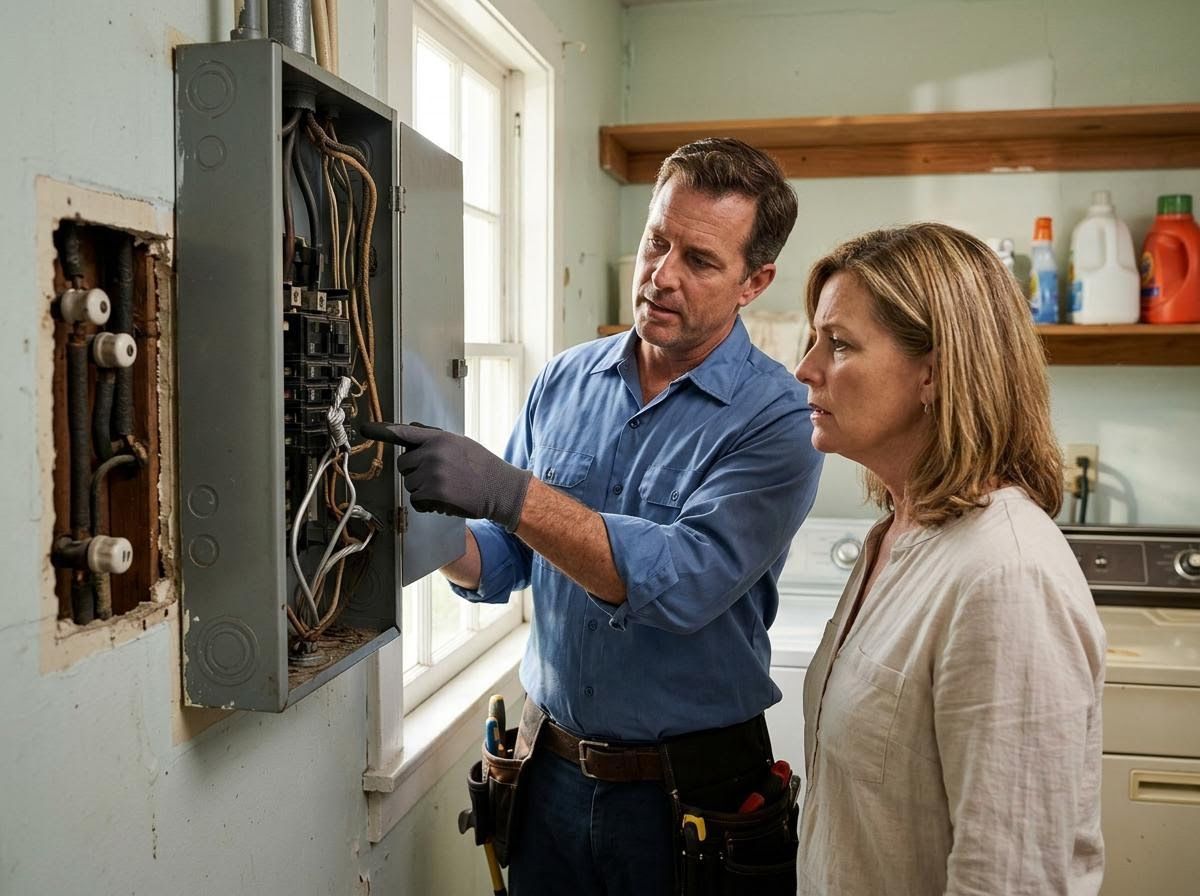
Many older homes in our coastal communities still feature wiring systems that are no longer up to current code or safe for today's electrical loads. Two common culprits are knob-and-tube wiring and aluminum wiring. Knob-and-tube, prevalent in homes built before the 1950s, lacks a ground wire, making it a shock hazard and unsuitable for modern appliances. It's also often found with deteriorated insulation, increasing fire risk. Aluminum wiring, used in some homes from the mid-1960s to the mid-1970s, can expand and contract more than copper, leading to loose connections, overheating, and potential fires at switches, outlets, and fixtures. Signs of these issues include flickering lights, frequently tripped breakers, or a burning smell near outlets.
Overloaded Electrical Panels and Outlets
Older homes were simply not designed to power the sheer number of electronics and appliances we use today. This often leads to overloaded electrical panels and circuits. An undersized electrical panel might frequently trip circuit breakers, indicate signs of charring, or even produce buzzing sounds. Similarly, relying on numerous extension cords or power strips to compensate for a lack of sufficient outlets can quickly overload circuits, leading to overheating, damaged appliances, and a significant fire hazard. Look for outlets that feel warm to the touch, discolored outlet plates, or a consistent need for extension cords as indicators of an overworked system.

Lack of Grounding and GFCI Protection
Modern electrical systems include grounding wires and Ground Fault Circuit Interrupter (GFCI) outlets as essential safety features, both of which are often absent in older homes. A proper ground path protects against electrocution by safely diverting excess electricity in the event of a fault. Without it, stray currents can travel through people or appliances, causing shocks or damage. GFCI outlets, typically found in kitchens, bathrooms, garages, and outdoors, are designed to quickly cut power when they detect a ground fault, drastically reducing the risk of severe electrical shock. Their absence in high-moisture areas of an older home presents a serious safety concern.
Conclusion
Understanding these common electrical hazards in older Pensacola and Fort Walton Beach homes is the first step toward ensuring a safe living environment. Addressing outdated wiring, overloaded systems, and the absence of crucial safety features like grounding and GFCI outlets is not just about convenience; it's about safeguarding your property and loved ones. If you suspect your home may have any of these issues, getting a professional evaluation is paramount. For peace of mind and expert solutions, consider contacting Coastal Electric & Solar to learn more about our comprehensive electrical safety inspections and upgrade options.