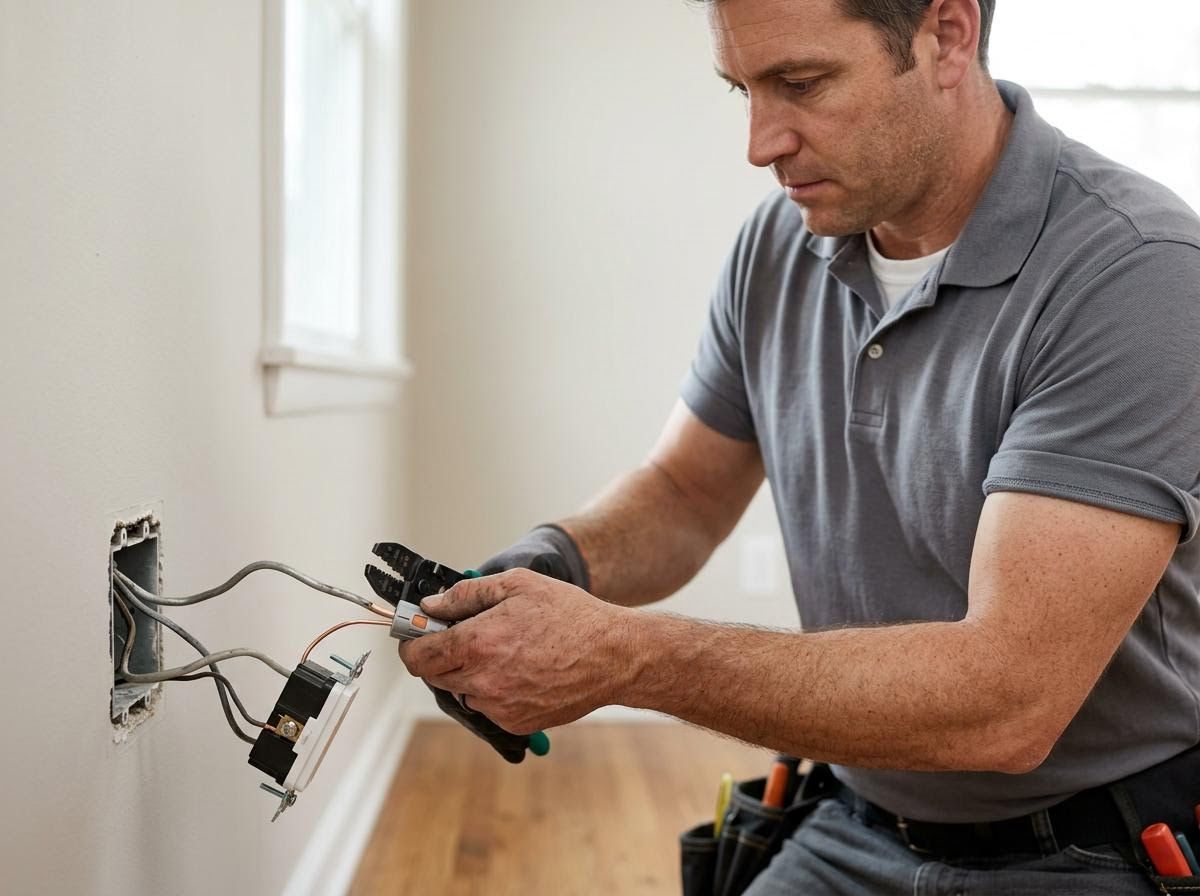
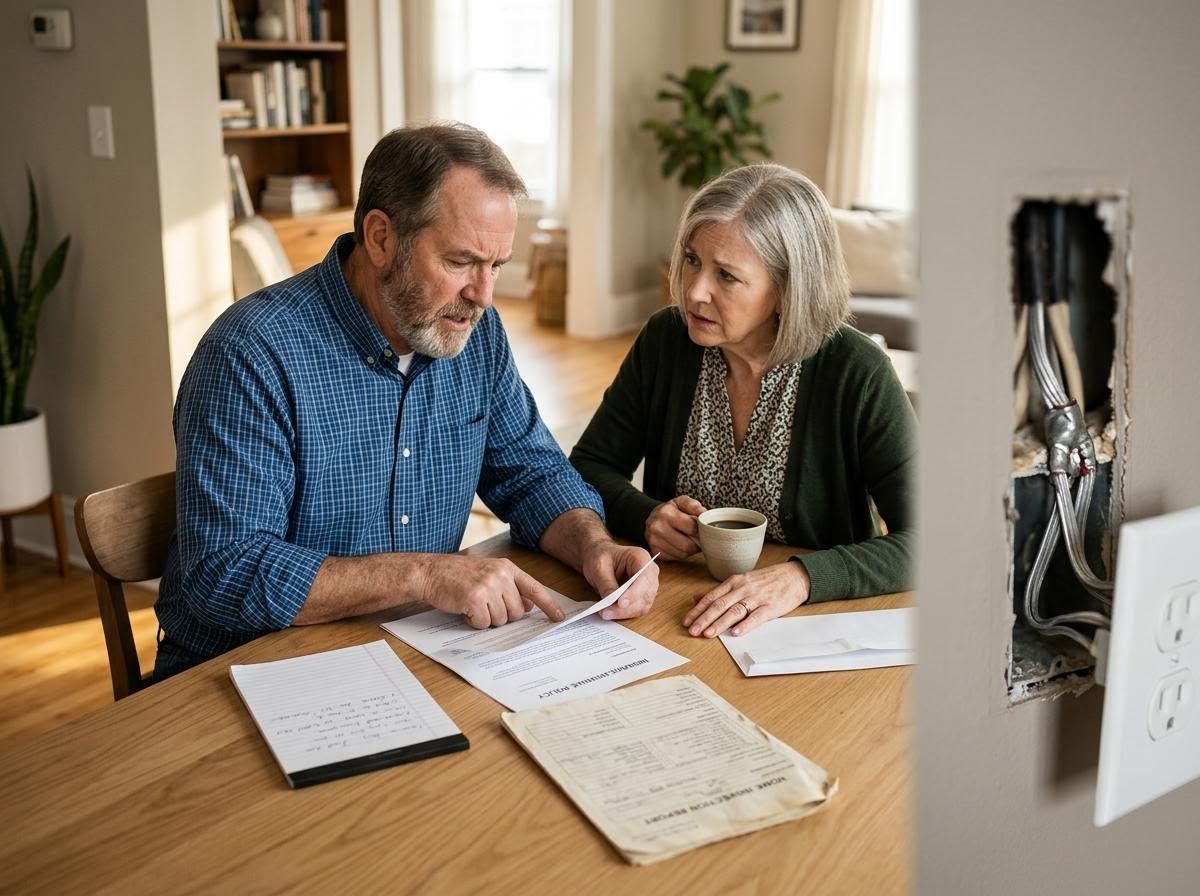
Discovering that your homeowners insurance has been denied or non-renewed due to aluminum wiring can be a stressful and confusing experience. Many homeowners aren't even aware they have aluminum wiring until it becomes a problem, often identified during an insurance assessment or home inspection. This situation not only puts your home's coverage at risk but also highlights a potential safety concern that needs immediate attention. At Coastal Electric & Solar, we understand these challenges and are here to guide you through what steps to take next to secure your home and your insurance.
Understanding the Risks of Aluminum Wiring
Aluminum wiring was commonly used in homes built between the mid-1960s and early 1970s as a cost-effective alternative to copper. However, it quickly became apparent that aluminum wiring posed several unique safety risks, primarily an increased risk of electrical fires. The main issues stem from its inherent properties: aluminum expands and contracts more than copper when heated and cooled, which can lead to loose connections at outlets, switches, and light fixtures. These loose connections can cause overheating, arcing, and ultimately, fires. Additionally, aluminum tends to oxidize when exposed to air, forming a resistance layer that can also generate heat at connection points.
Why Insurers Are Concerned
Insurance companies assess risk, and homes with aluminum wiring present a significantly higher risk of electrical fires compared to those wired with copper. This elevated risk translates to potentially larger and more frequent claims, making these properties less desirable to insure. For insurers, it's a matter of financial liability and safety. They are often unwilling to provide coverage, or will only do so at exorbitant premiums, until the wiring issue is properly addressed and documented. They want assurance that the electrical system meets current safety standards and does not pose an undue hazard.
Effective Remediation Solutions
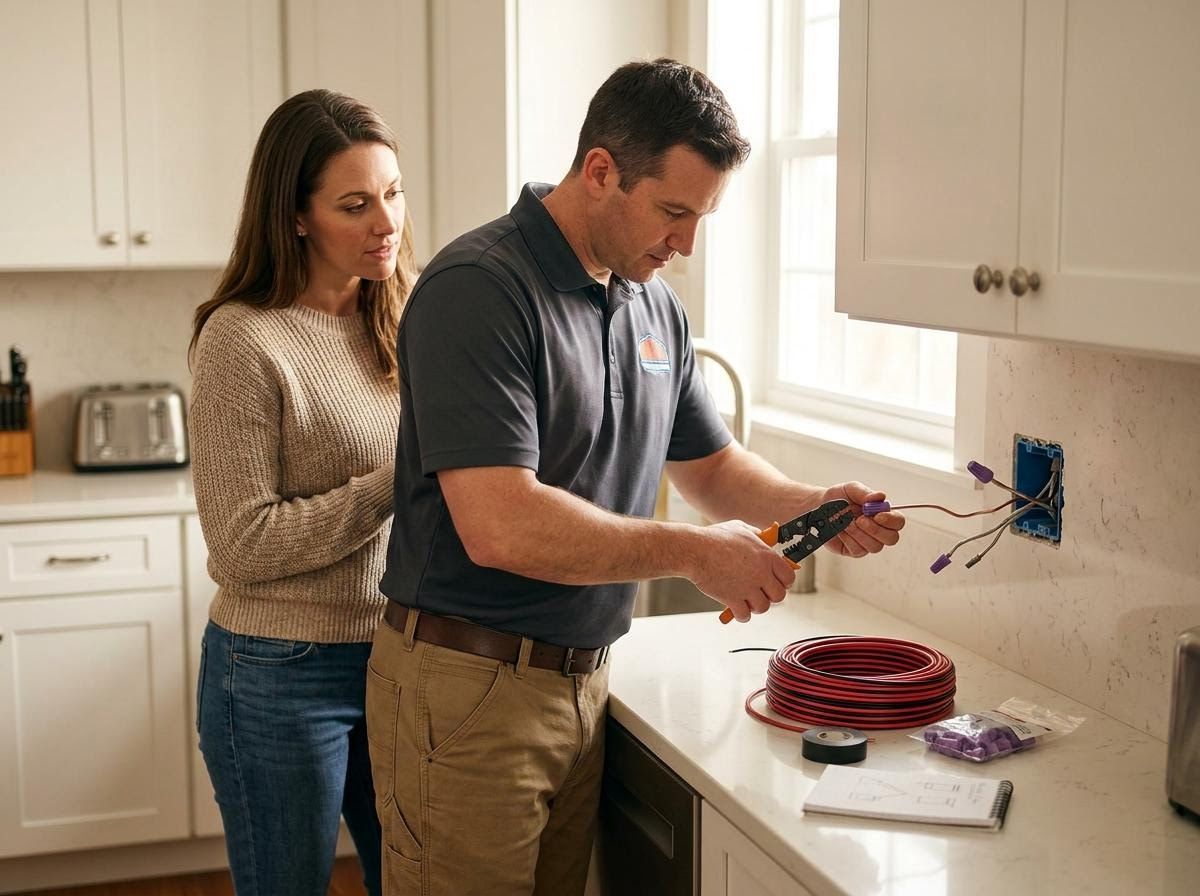
If your home has aluminum wiring, there are several accepted methods for remediation, ranging from minor interventions to a complete overhaul. The most common and generally recommended solution is known as "pig-tailing." This involves connecting a short piece of copper wire to the existing aluminum wire using a special connector (known as a CO/ALR connector or an approved crimp connector with anti-oxidant compound) before attaching it to the device. This effectively creates a copper connection point at every switch, outlet, and fixture. Another option is replacing all switches and receptacles with those specifically designed for aluminum wiring (marked CO/ALR). While pig-tailing is often effective, a complete home rewiring with copper is the most comprehensive and permanent solution, eliminating all aluminum wiring concerns entirely.
What to Do After Remediation
Once you've had the aluminum wiring remediation completed by a qualified and licensed electrician, the next critical step is to obtain proper documentation. This includes a detailed invoice outlining the work performed, the methods used, and a certificate of electrical safety or inspection from a certified electrical inspector, if required by your local jurisdiction. This documentation is crucial for demonstrating to your insurance provider that the identified hazards have been professionally addressed and mitigated. With this proof in hand, you can then re-approach insurance companies for coverage, often finding more favorable terms and rates.
Facing insurance denial due to aluminum wiring can feel daunting, but it's a solvable problem that ultimately enhances your home's safety and value. Addressing this issue professionally not only secures your insurance coverage but also provides invaluable peace of mind. To learn more about safe and effective electrical solutions for your home, explore our comprehensive services and expert advice.